Target Species
King George Whiting
Geographe Bay is widely regarded as Western Australia’s premier destination for King George Whiting fishing, offering vast expanses of pristine broken ground, shallow sand flats, and rich seagrass beds that shelter massive schools of high-calibre fish. Anglers targeting King George Whiting here benefit from protected, calm waters and consistent action across both shallow shoreline structure and accessible boat marks.
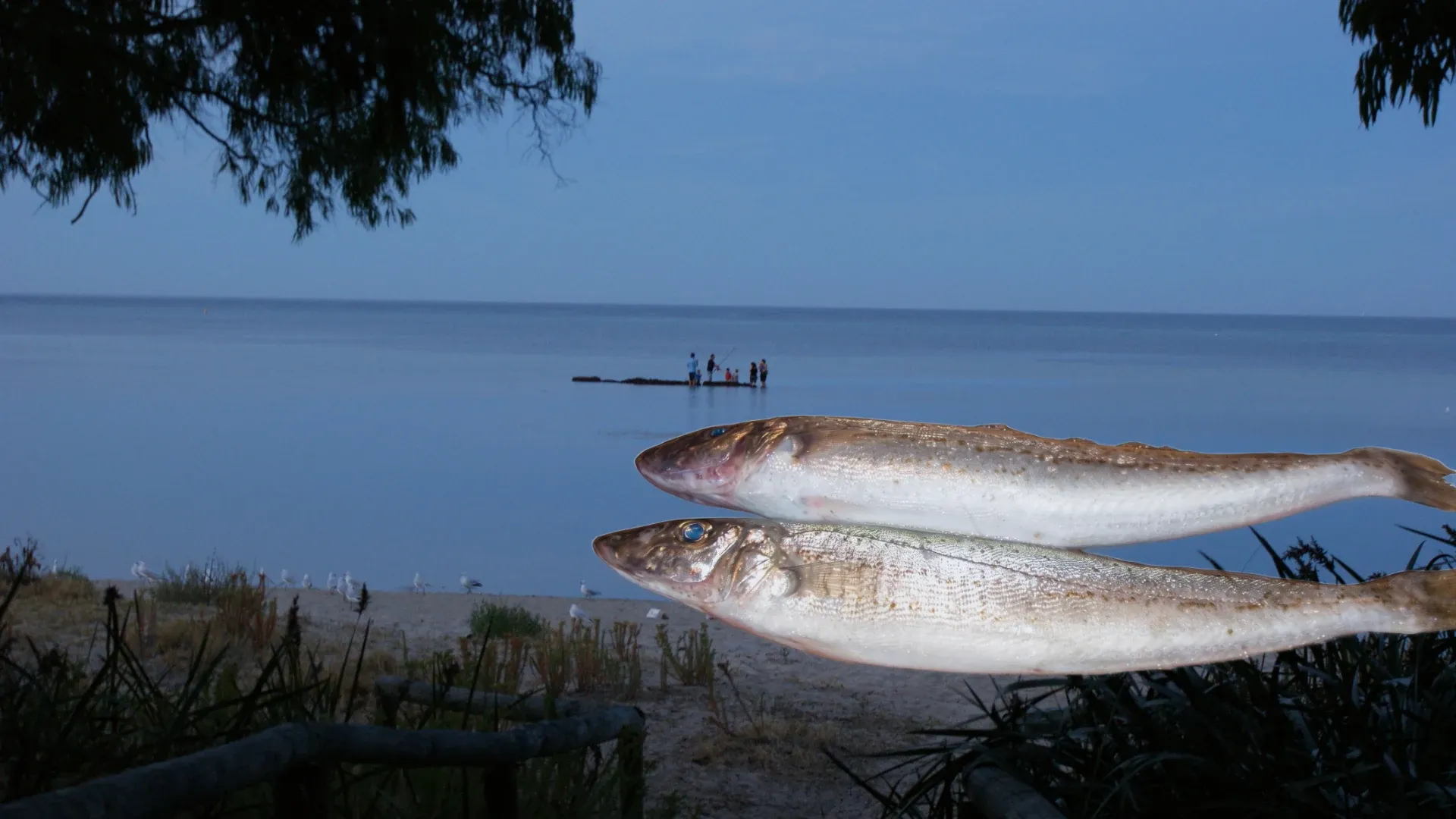
Stretching from the granite headlands of Dunsborough across to the iconic Busselton Jetty, Geographe Bay represents a unique marine haven in the South West. The bay is shielded from aggressive southern ocean swells by Cape Naturaliste, creating ideal habitats for Sillaginodes punctata, commonly known as King George whiting or simply KGs. These distinguished fish, easily identified by their striking bronze-brown speckled bodies and sleek profiles, are considered by local fishers as a 5-star table fish and a top-tier light tackle target.
Whether you are wading the warm knee-deep shallows during a spring morning or anchoring a small dinghy over deeper weed edges, king george whiting fishing geographe bay delivers an unmatched experience. Larger specimens in this region regularly exceed 45 centimetres, earning them the coveted title of kidney slappers among local boaties due to their powerful thumping fight when pulled aboard.
In this guide, you will learn how to read the complex bottom structure of Geographe Bay, choose the most productive seasonal windows, select light-tackle configurations that guarantee sensitivity, and deploy proven berley and baiting strategies to bag your limit. For more details on exploring other regions, check out our complete index of fishing spots and species-specific species guides.
Getting There
King George Whiting
Sillaginodes punctatus
Always check current NSW DPI regulations before fishing. Bag and size limits may change.
Understanding Geographe Bay: Location Intelligence
Geographe Bay provides extensive nursery and feeding grounds for King George Whiting due to its unique underwater marine topography, which features vast Posidonia seagrass meadows interspersed with clean white sand patches and shallow limestone pockets. This complex broken ground generates an abundance of marine worms, small crustaceans, and molluscs in shallow, swell-sheltered waters.
To consistently catch King George whiting in Geographe Bay, you must understand the environment that makes this location produce such high numbers of fish. Marine research indicates that the bay’s massive seagrass ecosystems contribute tens of thousands of kilograms in biomass production for King George whiting annually. The shallow, sunlit waters foster lush meadows of Posidonia and Amphibolis seagrasses, which are cut through by clean sand channels and shallow drop-offs.
Local fishers refer to this habitat as broken ground. King George whiting are bottom-dwelling predators designed specifically to forage within these sandy intersections. They use their specialized protractile mouths to blast jets of water into sand pockets, uncovering hidden bloodworms, polychaetes, small prawns, and marine yabbies. While smaller juvenile fish take refuge inside dense weed beds to escape larger predators, prime table fish hover along the immediate perimeter of the sand patches. Larger whiting rely on the darker weed edges for camouflage while ambushing prey drifting across open white sand pockets.
Location Essentials
Geographe Bay
-33.6000, 115.4000
Depth plays a vital role in fish distribution across Geographe Bay. During the cooler spring months, whiting shift right up into shallow inshore flats ranging from 1 to 5 metres (3 to 18 feet) of water. Locations like Abbey Beach, the shallow flats west of Busselton Jetty, and the inner sand stretches around Quindalup become hotspots for wading and kayak fishers. As water temperatures climb during peak summer, the larger fish move out into deeper ground, holding between 8 and 18 metres (25 to 60 feet) off Siesta Park and Broadwater. The rocky western end of the bay turns into salmon country each autumn, which our Eagle Bay and Dunsborough and Cape Naturaliste guides cover.
When searching for productive marks, avoid fishing over wide, featureless sand plains or completely solid, dark weed beds. Blank white sand lacks food density, while solid weed mats make it impossible for whiting to forage along the seabed floor. Your primary target must always be contrast ground, often visible from the surface through polarized sunglasses as a leopard-skin pattern of light and dark patches.
Positioning your boat or choosing your casting lane directly upstream of these sand pockets ensures your bait sits cleanly on the bottom without getting buried in thick vegetation. Mastering these positioning dynamics is essential for applying correct fishing techniques in Western Australia’s south-west waters.
Land-based fishers can take full advantage of the extensive structure around Busselton Jetty. The pylons act as artificial reefs, attracting marine life and creating sandy drop-offs where whiting accumulate. Shore fishers wading near beach drop-offs should always exercise basic coastal precautions, ensuring footwear is worn to prevent injury from submerged rocks or stingrays resting along the sand lines. For additional safety considerations, read our guide on fishing safety. The same timber fires for salmon in autumn too, and our Busselton Jetty salmon guide covers that run in detail.
When Is the Best Time to Fish for King George Whiting at Geographe Bay?
The best time to target King George Whiting in Geographe Bay is during the first two hours of an incoming tide, particularly when it coincides with dawn or late afternoon dusk.
Timing your fishing trip to match the tidal movements and light conditions in Geographe Bay will dramatically increase your catch rate. King George Whiting are light-sensitive foragers that rely on clear water and moderate water movement to locate food along the seabed. Early morning sessions from first light until roughly two hours after sunrise offer calm bay conditions and active feeding windows before boat traffic increases across the shallow sand flats.
The incoming tide is the primary trigger for whiting feeding activity in this region. As water floods over the shallow seagrass beds and sand spits from Quindalup to the Busselton Jetty, it covers micro-habitats that were exposed or depleted during low water. Whiting push up out of deeper channels (10 to 15 metres) and move into shallow waters (2 to 6 metres) to forage for polychaete worms, small nippers, and bivalves dislodged by the moving current. The bottom half of the rising tide consistently yields the most aggressive bites.
King George Whiting Seasonal Calendar
Night fishing for King George Whiting is an underutilised strategy in Geographe Bay. Large fish, often called kidney slappers when exceeding 45 centimetres in length, become surprisingly confident under cover of darkness. They venture into very shallow water near illuminated structures like the Busselton Jetty or adjacent shallow sand bars. During night sessions, minimise light spill from headlamps or boat deck lights onto the water, as whiting spooks quickly in clear, shallow conditions.
Tide Times
Optimal Tide
First two hours of the incoming flood tide
Tide movement is critical for fish activity. Most species feed actively during tide changes, especially the run-in (incoming) tide.
Detailed hourly tide charts
Official tide predictions
7-day tide calendar
Tide Guide
Best for most species. Fish move in to feed as water rises.
Good for ambush predators. Baitfish get swept out.
Slower bite. Fish less active during slack water.
New/full moon. Bigger tidal range, more fish movement.
Moon Phase & Solunar
Moon phases influence fish feeding behavior. New and full moons create spring tides with stronger currents and increased fish activity.
Best Phases
- New Moon: Peak feeding activity, spring tides, excellent fishing
- Full Moon: Strong tides, night feeding, great for nocturnal species
- 3 Days Either Side: Extended peak period for maximum results
Major/Minor Periods
- Major Periods: Moon overhead/underfoot (2-3 hours)
- Minor Periods: Moon rise/set (1-2 hours)
- Best Times: Major period + dawn/dusk = explosive action
Weather patterns play a major role in your success. A light southwesterly wind creates a gentle surface ripple across the bay, which diffuses bright sunlight and encourages whiting to feed openly without fear of aerial predators. Conversely, heavy winter storms and strong northerly winds can stir up marine sediment, clouding the bay. In discoloured water, whiting disperse into deeper offshore waters beyond the bay shelf, making them far harder to locate until the water clears.
Weather Conditions
Check current conditions before heading out. Wind, swell, and barometric pressure significantly affect fish behavior.
Official forecasts, warnings & radar
Hourly wind speed & direction
Swell height, period & direction
The Ripple Effect
Bright midday sun in crystal-clear water can cause King George Whiting to retreat into deep seagrass pockets. Look for days with a light 5 to 10 knot breeze that creates a steady chop on the surface. This surface ripple breaks up sunlight and makes whiting feed aggressively even in water under three metres deep.
What Tackle Do You Need for King George Whiting at Geographe Bay?
Targeting King George Whiting in Geographe Bay calls for light, sensitive spinning gear consisting of a 7ft to 7ft 6in graphite rod rated 2-4kg paired with a 2500-size spinning reel loaded with 6lb to 10lb braid.
King George Whiting have delicate mouths and subtle bite characteristics, yet they are surprisingly fast and strong when hooked in shallow water. Light, high-modulus graphite rods provide the sensitivity needed to detect tiny rasps as a whiting samples your bait, while maintaining enough flexible backbone to absorb rapid head shakes. For land-based anglers fishing off jetties or beaches, a slightly longer 8ft to 9ft rod assists in casting light sinkers out past sand bars.
Your reel selection should focus on smooth drag performance and lightweight construction. A 2000 to 2500 size spinning reel balanced on a light rod reduces fatigue during long sessions of repeated casting and drifting. Fill your reel spool with fine 6lb to 10lb braided main line. Braided line has virtually zero stretch, allowing you to feel every touch on your bait even when fishing in 15 metres of water or across strong tidal currents. For more tackle basics, see our tackle essentials guide.
Complete Tackle Specifications
| Component | Specification |
|---|---|
| Rod (Boat/Kayak) | 7ft to 7ft 6in light graphite spin, 2-4kg rating, fast action |
| Rod (Shore/Jetty) | 8ft 6in to 9ft light graphite spin, 3-5kg rating, soft tip |
| Reel | 2000 to 2500 spinning reel with fine front drag system |
| Main Line | 6lb to 10lb PE braid (thin diameter for low drift water resistance) |
| Leader | 8lb to 12lb fluorocarbon, 1.5m length for high clarity and abrasion resistance |
| Hooks | Size 1/0 to 6 long-shank, suicide, or circle hooks (fine wire) |
| Attractants | Small red lumo beads or short sections of red plastic tubing above hooks |
| Sinkers | Size 1 to 4 pencil, bomb, or light torpedo sinkers matched to depth/current |
Leader material requires careful consideration. Geographe Bay features pristine, clear water over white sand and dark green Posidonia seagrass. Standard monofilament can cast visible shadows on the sandy bottom, scaring off timid fish. A 1.5-metre length of 8lb to 12lb fluorocarbon leader offers invisibility in clear water while providing essential resistance against razor-sharp reef edges, broken shells, and squid beaks.
Hook design is another vital link in your setup. Long-shank hooks (size 1 to 6) are ideal when using tender worm or prawn baits, as they allow clean bait threading and make unhooking small fish easier without causing lethal damage. Fine-wire suicide or circle hooks in size 1/0 work exceptionally well when targetting larger whiting on fresh squid strips, ensuring reliable jaw corner hook-ups without the need for violent strikes.
How Do You Rig for King George Whiting?
The most effective rig for King George Whiting in Geographe Bay is a light two-hook paternoster rig or a running sinker rig, constructed with a 10lb to 12lb fluorocarbon leader and small size 1/0 to 6 long-shank or suicide hooks.
Building a reliable whiting rig comes down to presenting your bait naturally right on the bottom while maintaining continuous tension between your rod tip and sinker. King George Whiting feed almost exclusively by sifting through sand along the seabed. Rigs that hold your bait elevated off the bottom will miss feeding schools entirely or attract surface-dwelling scavengers.
The two-hook paternoster rig remains the gold standard across Western Australia for boat and drifting anglers. By placing a weight at the bottom of the leader line and suspending two small droppers above it, your baits drift just millimetres over sand and weed tops without snagging constantly. Adding a small red plastic bead or tiny piece of red lumo tubing directly above each hook acts as a visual attractor, mimicking small marine worms or crustacean legs and triggering competitive bites among schooling fish.
Building the Best Whiting Paternoster Rig
- 1
Cut Leader Section
Measure and cut a 1.5-metre length of 10lb fluorocarbon leader material.
- 2
Form Sinker Loop
Tie a small dropper loop or double figure-eight loop at the bottom end to attach your sinker.
- 3
Tie Lower Dropper
Tie a dropper loop approximately 15cm above the bottom sinker loop, keeping the branch line roughly 10cm long.
- 4
Tie Upper Dropper
Tie a second dropper loop 30cm to 40cm above the first dropper loop to avoid hook tangles.
- 5
Thread Red Beads
Slide a single small 3mm red attractor bead or short section of red tubing onto each dropper loop.
- 6
Attach Fine Wire Hooks
Loop a size 1 or 1/0 long-shank or suicide hook onto each dropper loop eye and pull tight.
- 7
Connect to Main Braid
Attach the top end of the leader to your braided main line using a compact line-to-line knot like an Double Uni or FG knot.
When fishing shallow sand flats from shore or a stationary kayak, a running sinker rig provides superior sensitivity. Thread a small ball or bullet sinker directly onto your main braid line, attach a small size 8 barrel swivel, and run a 1-metre fluorocarbon leader down to a single hook. This setup allows a feeding whiting to pick up the bait and swim off without feeling the immediate weight of the sinker, giving you time to set the hook smoothly. Learn more specialized setups in our detailed fishing rigs guide.
What Bait Works Best for King George Whiting?
Fresh squid strips, king prawns, bloodworms, and fresh cockles are the top-performing baits for King George Whiting in Geographe Bay.
Selecting the correct bait determines whether you catch legal-sized King George Whiting or get picked clean by nuisance species like small trumpeters and blowfish. Whiting are opportunistic bottom feeders with small mouths, so bait size and presentation are critical factors. The most common mistake anglers make is putting oversized baits on large hooks. Keep your baits neat and trim, roughly the size of your little fingernail, with the hook point left clearly exposed to ensure high hookup ratios.
Whiting Bait Performance Comparison
| Fresh Squid Strips | Bloodworms / Beachworms | Peeled King Prawns | Cockles (Pipis) | |
|---|---|---|---|---|
| Effectiveness Rating | 5 / 5 Stars | 5 / 5 Stars | 4 / 5 Stars | 4 / 5 Stars |
| Durability on Hook | Excellent | Fair | Moderate | Low to Moderate |
| Scent Dispersion | Moderate | Very High | High | High |
| Availability | High (Catch local) | Moderate | High (Tackle stores) | High |
| Best Target Conditions | Drifting deep channels (8-15m) | Shallow sand flats & incoming tide | Stationary boat or jetty fishing | Anchored with weighted berley trail |
Fresh calamari squid caught directly inside Geographe Bay is widely considered the best all-round bait for large whiting. Cut the translucent white mantle into narrow strips about 3 to 4 centimetres long and 5 millimetres wide, tapering one end to a sharp point. When drifted near the seabed, these strips flutter naturally in the current, mimicking small fish or marine worms. Squid flesh is extremely durable, staying on your hook through multiple nibbles and keeping small bait-thieves from stripping your rig bare instantly.
Tenderise Your Squid
Before baiting up with fresh squid, lightly tenderise the strips using the back of a knife or a heavy shell. Tenderising softens the tough muscle fibres, allowing the hook point to penetrate effortlessly during delicate bites while releasing extra scent into the water column.
Live or fresh bloodworms and beach worms are lethal on King George Whiting on shallow flats near Quindalup and Abbey. Thread the worm onto a long-shank hook until it covers the shank completely, leaving a small piece dangling past the hook bend to pulse in the water. If worm bait is unavailable, peeled king prawns cut into small cubes or fresh cockles (pipis) work exceptionally well. Find more bait prep techniques in our complete Bait Guide.
How Do You Catch King George Whiting at Geographe Bay?
Catching King George Whiting at Geographe Bay requires targeting broken sand and seagrass patches, deploying anchored berley tactics or slow drifts over 3 to 15 metres of water, and applying light, steady pressure to detect subtle double-tap bites.
Landing consistent catches of King George Whiting in the sheltered waters of Geographe Bay comes down to precision bait placement, subtle presentation, and knowing when to stay put versus when to move. Because whiting forage along the seabed searching for marine worms, small crustaceans, and delicate bivalves, your presentation must stay right on the sandy floor near shelter-providing seagrass edges. If you’d rather chase whiting on the surface, our Swan River topwater whiting guide covers yellowfin whiting on poppers and stickbaits in Perth.
Casting Strategy and Bait Placement
The golden rule when fishing for King George Whiting is to locate broken ground, where clear white sand meets dark patches of Posidonia seagrass. Whiting naturally cruise along these margins, darting out from the cover of the weed to snoop around in the open sand for food uncovered by moving water.
When fishing from a boat or kayak:
- Anchoring over broken ground: Position your vessel slightly upwind or up-current of a clear patch of sand surrounded by seagrass. Drop anchor over the weed edge so your anchor line does not disturb the feeding ground. Deploy a weighted berley cage packed with pollard, sand, and finely minced pilchards directly onto the bottom. Cast your rigs down-current into the sandy openings so your baits settle right in the scent trail.
- Drifting tactics: On calm days with light winds, drifting is an effective way to cover ground and find active schools. Drop a two-hook paternoster rig to the bottom and let the boat drift slowly across depth contours between 5m and 15m depth. Use just enough weight to keep your line straight up and down. Once you land two or three fish in short succession, mark the location on your GPS, drop anchor up-drift, and bring the fish to you using berley.
When fishing from shore:
- Targeting gutters: Walk the beach with polarised sunglasses to locate turquoise channels or dark depressions running between shallow sandbars. Cast your bait past the break, allowing the sinker to settle in the deeper sand pockets right beside weed boundaries.
- Fan casting: Perform systematic fan casts across a 180-degree arc, letting each cast sit for three to five minutes. If you register no interest after five casts across different angles, pack up and move 50 metres along the beach.
Bite Detection and Hookset
King George Whiting bites are distinct once you recognise them. They typically register as a fast double-tap on the rod tip as the fish picks up the bait with its downward-facing mouth, crushes it, and turns away.
- Keep tension light: Avoid fishing with heavy slack line, but do not hold rigid tension either. Use flexible rod tips that absorb initial nibbles without offering resistance that might spook timid fish.
- Resist the urge to strike: A hard, aggressive hookset is the most common mistake anglers make. The mouth structure of a whiting is soft and thin. Striking forcefully usually tears the hook straight through the lip tissue.
- Smooth lifting technique: When you feel the double-tap, pause for one or two seconds until you feel the rod tip load smoothly downward. Gently sweep the rod upward in a continuous, measured motion to slide the hook point into the corner of the jaw. If using circle hooks, simply wind the reel handle steadily without lifting the rod at all.
Fighting and Landing Strategies
Large King George Whiting exceeding 40cm, often called kidney slappers by local fishers, put up a surprisingly sharp fight on light gear. They make fast, erratic runs sideways along the seabed and will take advantage of nearby weed edges to scrub the line free.
- Maintain steady pressure: Keep a low rod angle to prevent the fish from surface thrashing, which often leads to thrown hooks. Smooth drag settings are essential, especially when fishing light fluorocarbon leaders.
- Handling near structure: If a large whiting dives into dense Posidonia weed, do not attempt to winch it out by force. Keep firm, constant strain on the line, and the fish will usually pull itself free within a few seconds.
- Landing cleanly: For boat anglers, keep a small, fine-mesh landing net at the ready. Avoid lifting larger whiting out of the water solely by the leader line. When wading or fishing off the beach, slide the fish gently up the wet sand on the crest of a small wave rather than swinging it through the air.
- Safe handling: Place a wet towel or damp gloved hand around the body of the fish to handle it safely. This protects the delicate protective slime layer on the skin and prevents the fish from thrashing while you extract small hooks with long-nosed pliers.
What Are the Rules for Fishing at Geographe Bay?
Fishing for King George Whiting at Geographe Bay is subject to Western Australian state regulations, enforcing a minimum legal size limit of 28cm and a maximum individual daily bag limit of 12 fish per angler.
Understanding local fisheries management rules helps protect stocks across the south-west region. Geographe Bay falls under the West Coast bioregion guidelines set by the WA Department of Primary Industries and Regional Development (DPIRD). Always double-check current regulations before setting out, as size thresholds, possession limits, and closed seasons can be updated annually.
Western Australia Recreational Fishing Regulations
- Minimum Legal Size: 28cm (measured from the tip of the snout to the tip of the tail).
- Daily Bag Limit: 12 King George Whiting per fisher per day, counted within the mixed nearshore and estuarine finfish limit of 16.
- Boat Limit: There is no specific boat limit for King George Whiting; each angler’s bag limit applies when fishing from a boat.
- Licensing Requirements: Shore-based line fishing in WA does not require a general recreational licence. However, if you fish for King George Whiting from any motorized or powered vessel, you must hold a valid Recreational Fishing from Boat Licence (RFBL).
For updated legal guidelines, boundary limits, and seasonal closures, refer to our detailed guide on fishing regulations or visit the official DPIRD fisheries website.
Sustainable Conservation Practices
- Mindful Kept Catch: Only keep what you need for a fresh meal. King George Whiting are exceptional eating, but taking full bag limits every trip puts unnecessary pressure on local schooling populations.
- De-hooking Safety: Use barbless or crushed-barb hooks when targeting whiting if you intend to release non-legal or excess catches. Deeply hooked fish should have the line cut as close to the hook eye as possible rather than tearing internal organs.
- Handling Released Fish: Minimise the time fish spend out of water. Use wet hands or a wet rubber net, and return juvenile fish gently back to the bay water immediately.
- Protecting Seagrass Meadows: Avoid dragging heavy anchors across dense Posidonia seagrass beds. Use purpose-built sand anchors in bare sand patches to avoid damaging critical fish nursery habitats.
Critical Safety Considerations
Wading fishers along Geographe Bay beaches must wear protective footwear such as heavy-soled reef shoes or dive boots. Sharp scallops, submerged glass, and marine hazards like stingrays inhabit shallow sand flats. Always shuffle your feet when wading to alert buried rays. Boat fishers should closely track afternoon sea breezes, particularly the strong south-westerly winds that chop up shallow bay waters during summer afternoons. Keep a marine VHF radio tuned to channel 16, carry a registered EPIRB when venturing outside sheltered waters, and carry essential safety gear including personal flotation devices (PFDs) for every passenger. Emergency help can be contacted via 000 on land or VHF Channel 16 at sea.
Your Questions About King George Whiting Fishing at Geographe Bay
What is the best time to fish at Geographe Bay?
The best time to fish for King George Whiting at Geographe Bay is during the early morning dawn period and late afternoon dusk, particularly on an incoming tide during autumn and spring.
Peak fishing hours generally occur around sunrise and sunset when light levels are low and whiting move out from deep weed edges to forage in shallow sand pockets. Planning your sessions around moving water, specifically the first two hours of a rising tide, yields higher catch rates than slack water conditions.
Is Geographe Bay suitable for beginners?
Yes, Geographe Bay is an ideal location for beginner fishers due to its calm, protected waters, easy shoreline access, and reliable populations of King George Whiting.
The sheltered nature of the bay protects it from heavy ocean swells, making it a safe, beginner friendly destination for families and novice anglers. Simple running sinker rigs loaded with fresh squid strips or tubeworms cast into sand gutters near the Busselton Jetty will yield consistent action without requiring advanced casting skills.
Do I need a boat to fish at Geographe Bay?
No, a boat is not strictly required, as quality King George Whiting can be caught by shore fishing off public jetties, shallow groynes, and beach gutters.
While having a small boat, kayak, or dinghy opens up deeper patchy ground in 5m to 15m of water, land-based fishing is exceptionally popular and productive. Locations like the Abbey Boat Ramp groyne, Meelup Beach, and the start of the Busselton Jetty allow shore-based fishers to cast directly into broken ground holding prime whiting.
Where are the best specific spots at Geographe Bay?
The best fishing spots for King George Whiting in Geographe Bay include the patchy weed beds off Quindalup, the waters surrounding Busselton Jetty, and shallow reefs near Eagle Bay.
These top fishing marks feature classic broken ground structure where sand pockets interlock with Posidonia seagrass meadows. Anglers targeting areas in 4m to 10m depth off the Abbey region and the broken contours outside Dunsborough consistently locate quality schools of larger fish.
What size King George Whiting can I expect?
Anglers at Geographe Bay commonly catch King George Whiting ranging between 30cm and 42cm, with trophy fish reaching up to 50cm in deeper offshore patches.
While the legal minimum length is 28cm, the average catch size in the southern bay waters is well above the legal threshold. Larger specimens measuring over 45cm, known locally as kidney slappers, are routinely taken in water deeper than 10 metres off the Dunsborough and Cape Naturaliste coastline.
Is there parking available at Geographe Bay?
Yes, there is extensive public parking available along the Geographe Bay foreshore, near boat ramps, and adjacent to key beach entry paths.
Generous parking areas are located at the Busselton Jetty foreshore, Port Geographe Marina, Abbey Boat Ramp, and along the beachfront reserves in Dunsborough and Quindalup. Most sites offer easy beach access, public toilets, and boat trailer parking bays, though spots fill quickly during peak summer holiday weekends.
Can I fish at night at Geographe Bay?
Yes, fishing at night can be effective for King George Whiting, particularly off illuminated structures like the Busselton Jetty or during clear, full moon nights.
While whiting rely heavily on sight to locate food during daylight hours, after-dark sessions often produce larger, bolder fish in shallow water. Submerged lights around jetties attract squid, marine worms, and small baitfish, creating feeding opportunities for whiting that move right up into the shallows under cover of darkness.
Where can I buy bait near Geographe Bay?
Fresh bait and tackle can be purchased at local tackle shops, service stations, and marine outlets across Busselton and Dunsborough.
Dedicated bait shops in Busselton and Dunsborough stock locally caught squid, frozen prawns, pilchards, and packaged tubeworms. Stopping into local tackle stores also gives you access to real-time advice on what baits are firing best and current hot spots across the bay.
What are the current bag and size limits?
The current WA regulations for King George Whiting specify a minimum legal size limit of 28cm and an individual daily bag limit of 12 fish per angler.
These legal limits apply across the entire West Coast bioregion. Anglers must measure fish immediately upon landing from the tip of the snout to the tail tip. Possessing undersized fish or exceeding bag limits carries heavy fines from fisheries compliance officers patrolling the bay and boat ramps.
Is Geographe Bay family-friendly for fishing?
Yes, Geographe Bay is one of the most family-friendly fishing locations in WA, offering calm beaches, flat water, and excellent shore facilities.
The bay is sheltered from open ocean swells, creating safe beach conditions for kids fishing from the sand or jetties. Surrounding parklands feature shade sails, playgrounds, barbecues, and clean public facilities, making it easy to plan comfortable day outings for anglers of all ages.
What should I bring for a fishing session?
A successful session requires a light spin combo, fluorocarbon leader, size 4 to 1/0 snelled hooks, fresh squid bait, small sinkers, polarized sunglasses, and proper sun protection.
Your essential gear checklist should also include a soft rubber landing net, a measuring mat to confirm legal lengths, long-nosed pliers for hook removal, an ice-packed cooler, and protective footwear for wading shallow sand flats safely.
How crowded does Geographe Bay get?
Geographe Bay experiences high crowd levels during peak summer school holidays and Easter, but quiet fishing times are easily found during autumn weekdays and early morning sessions.
To avoid crowds at popular spots like the Busselton Jetty or main boat ramps, plan your fishing trips during shoulder seasons in mid-autumn or early spring. Launching at first light on weekdays ensures peaceful fishing conditions across the bay’s extensive seagrass flats.
Latest Fishing Reports
Stay updated with the latest catches, conditions, and hot tips from Geographe Bay. Check these sources for recent reports filtered by location and species.
Fishraider
Community fishing reports and catch logs
Fishing World
Professional fishing reports and news
Tackle World
Local tackle shop reports and tips
NSW DPI
Official recreational fishing reports
Fishingmonthly
Monthly fishing magazine and reports
Hooked Up
Video fishing reports and tips
Pro Tip: Filter Reports
When browsing reports, search for "Geographe Bay" or nearby landmarks. Look for reports from the last 7-14 days for the most relevant information. Pay attention to tide times, weather conditions, and successful techniques mentioned.
Share Your Catch
Caught something at Geographe Bay? Share your success with the community! Upload your catch photos and reports to help other anglers.
Disclaimer: Fishing regulations, bag limits, and access rules change periodically. Anglers should verify current regional guidelines with the Western Australian Department of Primary Industries and Regional Development (DPIRD) prior to fishing. Always practice responsible catch-and-release techniques and adhere to marine safety standards when operating vessels.
Explore more fishing spots along Western Australia’s coastline, see every King George whiting spot we cover, learn about other species targeted in the region, or refine your setup with our core guides on tackle basics, essential rigs, and fishing safety.
Quick Info
- Location
- Geographe Bay
- Coordinates
- -33.6000, 115.4000
- Difficulty
- intermediate
- Target Species
- King George Whiting
Conditions
Check local weather and tide conditions before heading out.