Target Species
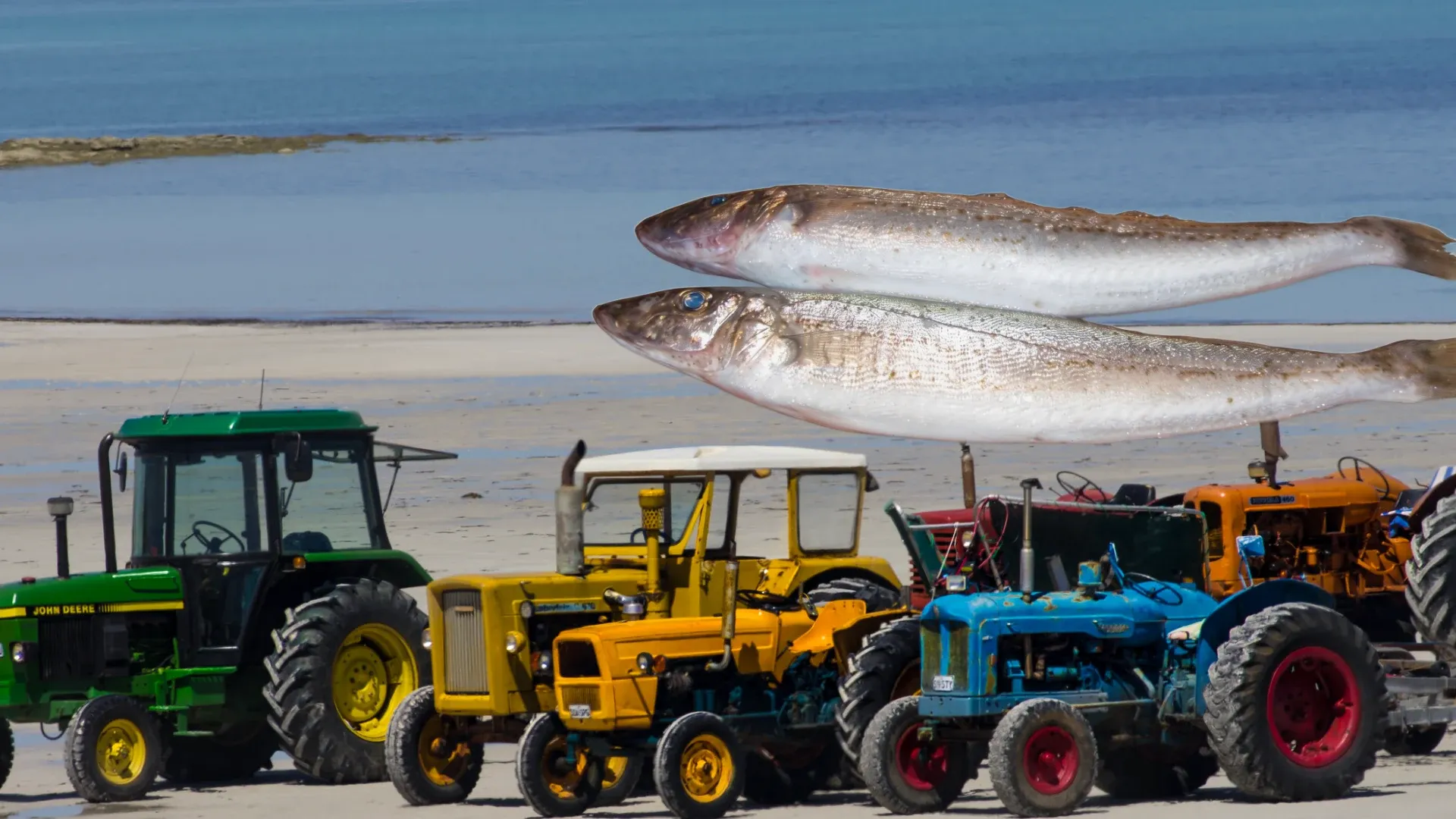
King George Whiting
Yorke Peninsula is one of the best spots for King George Whiting fishing in SA, offering expansive ribbon weed meadows and pristine sand holes across Spencer Gulf and Gulf St Vincent. Anglers target big elbow whiting here by working changing tidal currents over broken seabed structure.
South Australia holds an undisputed reputation as the home of premium King George Whiting (Sillaginodes punctatus), and the boot-shaped landmass of Yorke Peninsula sits right at the heart of this fishery. Surrounded on the west by Spencer Gulf and on the east by Gulf St Vincent, this distinct geographic stretch provides hundreds of kilometres of productive inshore waters. Anglers travel from across Australia to target these fish because the area delivers both sheer numbers and trophy-sized specimens running over 45 centimetres, affectionately known among locals as “elbows” or “kidney slappers.”
What makes Yorke Peninsula so exceptional is its incredible versatility. When heavy westerly blows turn Spencer Gulf into a wall of messy chop, you can load your gear, drive forty minutes across the peninsula, and find calm, fishable water along Gulf St Vincent. Whether you plan to launch a runabout from the beach ramps at Port Victoria, cast heavy surf outfits from the breakwaters, or drop simple rigs off the heritage jetties at Edithburgh and Wallaroo, prime fishing grounds sit right at your doorstep.
In this field guide, you will learn the exact terrain patterns that hold schools, the specific rigs and hook sizes needed to turn subtle taps into solid hooksets, the most productive baits, and the tidal dynamics governing both gulf systems. We will also detail essential local strategies like berley deployment and boat positioning to help you land your legal bag limit while respecting South Australia’s recreational fishery rules.
Getting There
King George Whiting
Sillaginodes punctatus
Always check current NSW DPI regulations before fishing. Bag and size limits may change.
Understanding Yorke Peninsula: Location Intelligence
Yorke Peninsula provides the ideal marine habitat for King George Whiting thanks to vast meadows of Posidonia tapeweed interspersed with clean white sand depressions. These sand holes concentrate benthic invertebrates like worms, crustaceans, and molluscs, providing an abundant food supply alongside natural cover from predators.
To catch King George Whiting consistently across Yorke Peninsula, you must first understand the underwater topography. Whiting are bottom-dwelling foragers designed specifically to vacuum the sea floor for marine worms, small crabs, pistol shrimp, and molluscs. However, they are also a primary prey item for larger predators including mulloway, bronze whaler sharks, and snapper. Consequently, whiting rarely patrol bare sand plains in broad daylight. Instead, they position themselves along the fringes of heavy ribbon weed beds, using the cover of dark vegetation to survey open, light-coloured sand holes.
The eastern coastline along Gulf St Vincent, taking in towns like Port Vincent, Stansbury, and Edithburgh, presents gentler gradients and massive intertidal flats. Here, ribbon weed flourishes in 2 to 6 metres of water. As the tidal flow pushes across these shallows, whiting move out of the deeper channels into the depressions to feed. The light-green sand patches clearly visible against dark marine grass create natural feeding arenas. When you anchor up-current and introduce a steady berley trail, fish move along these weed margins straight into your scent line.
Across on the western coastline facing Spencer Gulf, the underwater terrain is more dynamic and rugged. Renowned hotspots like Port Victoria, Balgowan, The Bamboos, and Tiparra Rocks feature complex reef shelves, limestone ledges, and deeper channels running anywhere from 4 to 15 metres. Wardang Island, situated off the coast of Port Victoria, acts as a massive current funnel. The tidal currents ripping through the tracks between the mainland and the island scour out deep gravel and broken shell pockets among dense cork weed. Big winter whiting seek out these deep holes to escape strong surface chop and feed heavily on benthic life churned up by the tide.
Water temperature plays a massive role in seasonal movements around the peninsula. During the late spring and summer months, whiting frequently patrol shallow flats in 2 to 4 metres of water early in the morning before retreating to deeper drops as the sun climbs overhead. As autumn arrives and water temperatures drop through winter, the larger fish gather over the 6 to 12 metre marks, where temperatures remain more stable. Polarised sunglasses are an absolute necessity for anyone fishing these waters, allowing you to visually pinpoint isolated sand patches among dark reef and tapeweed. Dropping your bait right on the edge of that sand-weed boundary is the single most reliable way to tempt wary fish.
Location Essentials
Yorke Peninsula
-34.7500, 137.6000
When Is the Best Time to Fish for King George Whiting at Yorke Peninsula?
The best time to fish for King George Whiting at Yorke Peninsula is during the low-light windows of dawn and dusk, particularly when these periods align with steady tidal movement. While whiting can be caught throughout the day, the change of light triggers keen foraging behaviour, drawing fish out of dense ribbon weed beds and into open sand potholes.
Understanding water movement is the single most important factor for consistent whiting bags on the peninsula. King George Whiting are bottom browsers that depend heavily on tidal currents to stir up benthic invertebrates, marine worms, and small crustaceans. In both Spencer Gulf and Gulf St Vincent, the bite rate drops off markedly the moment current slows down. When the water stops moving during the top or bottom of the tide, whiting often stop feeding entirely. Anglers refer to this dead period as slack water, and at Yorke Peninsula, it can switch a hot bite into silence within five minutes.
South Australia is notorious for its dodge tides, especially around the neap cycle, where water movement ceases for up to a full day. Focussing your fishing efforts around spring tides, where strong tidal exchanges occur, creates prolonged feeding windows. The run-in tide is generally favoured in shallow gulf bays such as Hardwicke Bay and Stansbury, as rising water pushes over sun-warmed sand bars, carrying schools of fish into water less than two metres deep. Conversely, along the deeper drops of Port Victoria and Tiparra Reef, an outgoing tide concentrates forage along channel drop-offs, making the middle three hours of the ebb tide equally lethal.
Dawn sessions produce exceptional results because schools feed hard after holding in shelter overnight. As the first light breaks, whiting patrol the sharp boundaries where dark cork weed meets bright white sand. Dusk fishing offers an identical advantage, often accompanied by dropping winds as the afternoon sea breeze softens. Night fishing is an underused tactic across Yorke Peninsula. During the warmer months from November to March, night sessions on the high tide around the full or new moon will often see large whiting moving onto ankle-deep flats, where they feed without fear of birds of prey or dolphins.
Winter brings cold, crystal-clear water where whiting aggregate in deeper channels between 8 and 15 metres. During June, July, and August, mid-morning sessions between 9:00 am and 1:00 pm can be surprisingly fruitful, as higher sun angles penetrate deeper water and slightly lift the water temperature over shallow banks, prompting fish to browse actively.
Tide Times
Optimal Tide
Middle three hours of incoming or outgoing tide with active water flow
Tide movement is critical for fish activity. Most species feed actively during tide changes, especially the run-in (incoming) tide.
Detailed hourly tide charts
Official tide predictions
7-day tide calendar
Tide Guide
Best for most species. Fish move in to feed as water rises.
Good for ambush predators. Baitfish get swept out.
Slower bite. Fish less active during slack water.
New/full moon. Bigger tidal range, more fish movement.
Moon Phase & Solunar
Moon phases influence fish feeding behavior. New and full moons create spring tides with stronger currents and increased fish activity.
Best Phases
- New Moon: Peak feeding activity, spring tides, excellent fishing
- Full Moon: Strong tides, night feeding, great for nocturnal species
- 3 Days Either Side: Extended peak period for maximum results
Major/Minor Periods
- Major Periods: Moon overhead/underfoot (2-3 hours)
- Minor Periods: Moon rise/set (1-2 hours)
- Best Times: Major period + dawn/dusk = explosive action
Weather Conditions
Check current conditions before heading out. Wind, swell, and barometric pressure significantly affect fish behavior.
Official forecasts, warnings & radar
Hourly wind speed & direction
Swell height, period & direction
Mastering the Peninsula Dodge Tide
Before planning your session, check the local tide charts for dodge tides where the tidal height graph flattens completely. If you encounter a dodge tide while out on the water, pull your anchor and drift across broken ground rather than anchoring, or target deep channels where any slight breeze helps drift your baits across inactive fish.
King George Whiting Seasonal Calendar
What Tackle Do You Need for King George Whiting at Yorke Peninsula?
To fish effectively for King George Whiting at Yorke Peninsula, you need a sensitive 7 to 8 foot spin rod rated 2 to 5 kilograms matched to a 2500-size spinning reel. Spooling with 6 to 10-pound braid connected to a 10 to 12-pound fluorocarbon leader ensures high bite detection and the finesse required to hook fish without pulling longshank hooks out of their tender mouths.
King George Whiting possess remarkably soft, fleshy mouths that tear easily under heavy drag pressure. Choosing the correct rod action is crucial: a rod with a soft, forgiving tip cushions erratic headshakes while maintaining sufficient mid-section stiffness to drive hook points home. A 7-foot stick is ideal for boat and kayak work around Port Victoria or Edithburgh, allowing you to manipulate baits easily beside the gunwales. For land-based anglers casting from jetties or sandy ledges, an 8-foot 6-inch or 9-foot rod provides the casting distance needed to drop sinkers into clear sand patches surrounded by thick weed.
Line choice directly impacts your catch numbers. Many anglers make the mistake of using line that is far too heavy, which catches the tidal current, pulls sinkers off the bottom, and alerts wary whiting. Spooling your reel with fine-diameter 6 to 10-pound braided mainline cuts through tidal flow with minimal belly, giving you instant tactile feedback when a whiting taps the bait. In the ultra-clear waters typical of southern Yorke Peninsula, a supple 10 to 12-pound fluorocarbon leader measuring at least 1.5 metres is essential. It provides abrasion resistance against jagged cockle beds and limestone rubble while remaining virtually invisible.
Your terminal connections must remain simple and refined. Small swivels in size 10 to 12 prevent line twist during rapid drops and retrievals. Sinker size should match the water depth and tidal run, generally ranging from half-ounce ball sinkers in calm shallows up to 3-ounce bomb sinkers in deep, fast-flowing gulf channels. Hooks should be chemically sharpened size 4 to 6 longshank hooks, which prevent deep hooking and match the long, slender profile of marine worms and squid strips. Snelled patterns are popular because they align the hook point directly with the pull of the trace. For more tackle basics, see our tackle essentials guide and check our breakdown of fishing knots for rigging your terminal tackle securely.
Yorke Peninsula King George Whiting Tackle Specifications
| Component | Specification |
|---|---|
| Boat Rod | 7ft 0in light spin, 2-5kg rating, fast action with supple tip |
| Jetty/Shore Rod | 8ft 6in to 9ft medium-light spin, 3-6kg rating for distance casting |
| Reel | 2500 to 3000 size spin reel with smooth carbon drag |
| Mainline | 6lb to 10lb 8-strand PE braid for low drag and bite sensitivity |
| Leader | 10lb to 12lb fluorocarbon, 1.5 to 2.0 metres in length |
| Hooks | Size 4 or 6 chemically sharpened longshank or beak-nickel hooks |
| Sinkers | 1/2oz to 3oz teardrop, snapper, or bean sinkers matched to tidal run |
| Swivels | Size 10 to 12 micro black barrel swivels or three-way swivels |
| Rig Type | Twin-hook paternoster rig or running sliding sinker rig |
How Do You Rig for King George Whiting?
The most effective rig for King George Whiting is a twin-hook paternoster rig constructed from 10 to 12-pound fluorocarbon leader. This presentation suspends two baits at staggered heights right above the bottom, keeping them clear of dense cork weed while allowing you to target whiting browsing at different levels of the water column.
Constructing a balanced whiting rig requires precision, as excess bulk or poorly positioned branch droppers will cause frequent tangles in moving tide. The paternoster rig reigns supreme across Yorke Peninsula because the sinker sits at the base of the line, pinning the rig securely to the sea floor while the branch lines float naturally in the current. This prevents the hook and bait from being buried in rotting ribbon weed or snagged in rock crevices. For additional variations and bottom rigs, see our dedicated guide to fishing rigs.
A local trick widely used across South Australia is sliding a small length of red plastic tubing (around 10 to 15 millimetres) or a small red bead onto the trace directly above the hook shank. King George Whiting are inquisitive feeders attracted to flashes of red, which mimics the natural colouration of marine worm joints or wounded shrimp. Keep the droppers relatively short, between 12 and 18 centimetres, to prevent them from wrapping around the main backbone of the leader during the drop.
When fishing fast-running tides over clean sand banks, an alternative presentation is the running sinker rig. By threading a small hollow bean sinker onto the mainline, adding a micro swivel, and running a 60-centimetre fluorocarbon trace to a single longshank hook, you allow the fish to take the bait and swim without feeling the weight of the lead. However, in any ground containing dense weed or jagged reef patches, stick firmly with the twin-hook paternoster to keep your terminal gear up in the strike zone.
Building a Twin-Hook Paternoster Whiting Rig
- 1
Cut Leader Backbone
Cut a 1.2-metre length of 10 to 12-pound premium fluorocarbon line to form the main backbone of the rig.
- 2
Tie Top Swivel
Secure a size 10 black barrel swivel to the top of the leader using an improved clinch knot or Uni knot.
- 3
Form the Upper Dropper Loop
Measure 30 centimetres down from the swivel and tie a dropper loop that stands out roughly 12 to 15 centimetres from the mainline.
- 4
Form the Lower Dropper Loop
Move 30 centimetres further down the leader and form a second identical dropper loop, ensuring the two loops cannot tangle with each other.
- 5
Add Attractor and Hooks
Slide a 12mm strip of red lumo tubing or a 4mm red bead onto each loop, then attach a size 6 chemically sharpened longshank hook using a loop connection.
- 6
Attach Sinker Loop
Tie an overhand loop knot at the bottom of the leader, roughly 20 centimetres below the lower hook, allowing quick sinker changes.
- 7
Select and Secure Weight
Loop on a 1-ounce teardrop or bomb sinker for shallow water, increasing to 2 or 3 ounces if fishing heavy channels.
What Bait Works Best for King George Whiting?
Fresh Southern Calamari squid cut into thin, tenderised strips and fresh Goolwa cockles (pipis) are the best baits for King George Whiting at Yorke Peninsula. Both provide an intense scent trail, withstand pecking from small nuisance fish, and mimic the primary natural forage found across the peninsula’s bays.
Selecting top-grade bait makes the difference between catching your limit or sitting through hours of missed bites. Squid is universally recognised across South Australia as the staple whiting bait due to its toughness and visibility. Anglers should use locally caught Southern Calamari rather than imported frozen arrow squid. For the best presentation, use the squid hood, tenderise it lightly with a meat mallet or the back of a knife, and slice it into slender, pointed ribbons roughly 4 to 5 centimetres long and 5 millimetres wide. When threaded onto a size 6 longshank hook, these ribbons flutter in the current like a small worm or swimming invertebrate.
Cockles, known locally as pipis, offer an irresistible scent that whiting find impossible to ignore. A whole fresh cockle should be threaded through the tough muscular foot first, then folded back over the hook point to cover the shank completely. Cockles are soft, meaning pickers like toadfish and leatherjackets can rip them off quickly. Many seasoned Yorke Peninsula anglers combat this by fishing a cocktail bait: threading a small piece of squid onto the hook first to act as a bait keeper, followed by a tender cockle on the point to release scent.
Marine worms, including beach worms and tube worms, are deadly land-based baits around shallow sandbars near Port Vincent and Ardrossan. Their natural fluids seep into the water column, drawing cautious fish out of thick ribbon weed. Freshly peeled school prawns or king prawns cut into small cubes also work well, particularly when drift fishing across deep sand potholes. Avoid using large chunks of bait; whiting have small mouths and prefer neat, compact offerings that they can swallow whole in a single strike. For more details on sourcing and presenting baits, refer to our bait guide.
King George Whiting Bait Performance Matrix
| Fresh Calamari Squid | Goolwa Cockles (Pipis) | Local Tube/Beach Worms | Peeled Prawn Pieces | |
|---|---|---|---|---|
| Catch Effectiveness | Very High | Exceptional | Exceptional | High |
| Hook Durability | Exceptional (resists pickers) | Moderate (requires tender care) | Low to Moderate | Low (easily picked clean) |
| Scent Dispersion | Moderate | Very High | High | Moderate to High |
| Availability | Readily caught locally or bought fresh | Available frozen or fresh at tackle stores | Can be pumped locally or purchased fresh | Widely available at bait stores and grocers |
| Ideal Conditions | Fast-flowing channels, heavy picker activity | Slack tides, wary fish, cold winter sessions | Shallow flats, clear water, dawn and dusk | Drifting deep holes, low picker numbers |
The Cocktail Bait Trick
When small pickers like leatherjackets and toadfish are stripping your cockles before whiting can find them, make a cocktail bait. Thread a firm 15mm strip of calamari squid onto the hook shank first, then pin a fresh cockle on the hook bend. The cockle releases an immediate scent trail that attracts the school, while the tough squid remains firmly anchored on the hook to secure the hook-up.
How Do You Catch King George Whiting at Yorke Peninsula?
To catch King George Whiting at Yorke Peninsula, anchor or drift along weed-sand margins, cast fresh cockles or tenderised squid strips directly into clean sand pockets, and let the rapid-fire taps build into a steady weight before lifting the rod in a firm sweep (or just wind if you’re on circle hooks). Keep constant line tension while reeling in to prevent their soft mouths from tearing free.
Locating and hooking King George Whiting across the peninsula demands clean presentation and sharp reflexes. These fish hunt by sight and scent along bottom contours, moving in small schools that forage actively before cruising along to the next clearing. Mastering your casting placement, reading the distinctive bite, and steering hooked fish clear of foul ground will consistently fill your esky while other anglers struggle. You can sharpen core skills in our fishing techniques guide. Whiting aren’t only a bait fish, either: over in Perth, yellowfin whiting chase small surface lures across the sand flats, which our Swan River topwater whiting guide covers.
Casting Strategy and Bait Placement
Whether you are anchored in four metres of water off the Port Victoria jetty or working the drop-offs outside Stansbury, casting accuracy dictates your success rate. King George Whiting rarely sit buried inside thick strap weed. Instead, they patrol the bare sand corridors and clear sand holes, picking off worms, molluscs, and small crustaceans exposed against the open bottom.
Use polarised sunglasses to identify the pale turquoise or light-green patches surrounded by dark ribbon weed. Pitch your rig past the target hole, then gently retrieve it until your sinker drops into the sandy clearing. Keep your line tight to maintain direct contact with the sinker. If you cast directly into heavy ribbon weed, your hooks foul instantly and whiting will simply swim past undetected.
When drifting, use a sea anchor or drogue to slow your boat down to under one knot. Keep your line at roughly a forty-five degree angle so your sinker taps the sand every few seconds without dragging aggressively. If you anchor up, deploy a small berley pot right down near the seabed loaded with crushed cockle shells, pilchard mash, or commercial pellet dough. Cast your baits directly down the scent slick into the sand patches behind the transom. King George Whiting often arrive in small feeding bursts that last fifteen to twenty minutes. When the school moves into your trail, work quickly to land fish, re-bait, and get back down into the zone before they push onward.
Bite Detection and Hookset
The bite of a King George Whiting is unmistakable once you recognise it. They do not hammer a bait and scream off like a snapper. Instead, a whiting inspects the offering, nudging and nipping with rapid taps. You will feel a quick, rhythmic vibration through a braided line: a distinct “thud, thud, thud, thud” in rapid succession.
Resist the urge to strike at the very first peck. That initial tap is usually the fish nipping at the trailing end of a squid strip or testing the cockle meat. Lower your rod tip slightly or pause your retrieve for one to two seconds to let the fish swallow the bait into its mouth. As the rod tip pulls down on the third or fourth firm thud, lift the rod in a smooth, firm, sweeping motion rather than a violent jerk.
If you are using circle hooks, striking aggressively will pull the hook straight out of the fish’s mouth. When fishing circles, do not strike at all. Simply wind the reel handle quickly while smoothly raising the rod. The hook will slide into the corner of the jaw and set itself cleanly. When using traditional longshank hooks, a crisp upward strike sets the barb through the gristly lip.
Fighting and Landing Strategies
King George Whiting possess remarkably soft, paper-thin mouth tissue around their lips. If you set your drag too tight, pump the rod aggressively, or horse the fish toward the boat, the hook will tear clean out of the mouth, leading to lost fish right at the surface.
Keep your drag set light, roughly one-third of the line breaking strain. When hooked, a solid “K-G” will make short, erratic runs, accompanied by aggressive head shakes and tail thumps aimed at diving down into the nearest weed clump. Keep your rod tip high and maintain smooth, constant winding pressure. Never allow slack line to develop, as any momentary drop in tension allows the sinker weight to dislodge the hook.
Guide the fish to the surface steadily without breaking water until it is within reach. Avoid lifting a good-sized whiting out of the water purely by the trace, because their weight out of water frequently tears the hook free. Use a small, knotless landing net for any fish over thirty-five centimetres, scooping from beneath the head while the fish is still submerged. If you are land-based on a jetty or rock ledge, slide smaller keepers up smoothly or use a drop-net for heavier fish.
Once boated or landed, place your catch straight into an ice slurry containing two parts crushed ice to one part seawater. King George Whiting flesh is delicate and softens rapidly in warm air. Chilling your fish immediately firms the fillets and preserves the clean, sweet flavour that makes Yorke Peninsula whiting famous across Australia.
What Are the Rules for Fishing at Yorke Peninsula?
South Australian fisheries regulations enforce strict bag, boat, and possession limits alongside minimum legal sizes that vary depending on whether you fish east or west of longitude 136°E. Always measure your fish from the tip of the snout to the tip of the tail, release undersized catches promptly, and verify current rules before hitting the water.
Recreational fishing rules in South Australia are strictly monitored by Primary Industries and Regions SA (PIRSA) fisheries officers, who conduct routine vehicle and boat ramp checks throughout the Yorke Peninsula. Before launching or wetting a line, check current regulations at the state fisheries portal to make sure limits have not changed.
For King George Whiting, size limits depend strictly on geographical boundaries:
- East of longitude 136°E (which includes all waters of Gulf St Vincent and Spencer Gulf bordering the Yorke Peninsula): minimum legal size is 32 cm.
- West of longitude 136°E: minimum legal size is 30 cm.
Bag and boat limits differ between the gulfs:
- Spencer Gulf and all other waters (west coast of the peninsula, including Moonta, Wallaroo, and Port Victoria): Daily bag limit is 10 fish per person. Daily boat limit (where three or more anglers are on board) is 30 fish.
- Gulf St Vincent and Kangaroo Island waters (east coast of the peninsula, including Edithburgh, Stansbury, and Port Vincent): Daily bag limit is 5 fish per person. Daily boat limit (three or more anglers on board) is 15 fish.
- Possession limits also apply. Check PIRSA’s King George Whiting page or the SA Recreational Fishing app for the current figures before you stock the freezer.
A King George Whiting spawning closure also applies in parts of Spencer Gulf and Gulf St Vincent. From 2027 it runs from 1 March to 30 June each year, and you can’t target, take or keep whiting inside the closure areas during that window. Check PIRSA’s closure map before planning an autumn trip.
Critical Safety and Navigation Hazards
Yorke Peninsula coastal waters present rapidly changing hazards that demand careful preparation:
- Gulf Chop and Wind Shifts: Afternoon south-westerly and south-easterly sea breezes frequently clash with outgoing tides, kicking up a steep, short chop in four to eight metres of water. Small tinnies can quickly become swamped if caught out wide.
- Submerged Reefs: Shallow limestone reef outcrops surround Point Turton, Corny Point, and Tiparra Reef. Always navigate using updated GPS charts and keep a sharp lookout for bomboras.
- Slick Jetties and Rocks: Historic timber jetties and limestone ledges become extremely slick from salt spray and morning dew. Wear sturdy, non-marking rubber soles or cleated rock footwear. Review our rock fishing safety guide before walking ocean ledges.
- Emergency Contact: Marine Rescue South Australia monitors VHF channels 16 and 67 throughout both gulfs. For police, ambulance, or sea search emergencies, dial Triple Zero (000).
Responsible Conservation Practices
Preserving the top fishery of the peninsula relies on sound angler habits:
- Handle undersized fish with wet hands or a damp rag to protect their delicate protective slime layer.
- Use barbless hooks or crush barbs flat if you plan to catch and release once your bag limit is filled.
- Switch to circle hooks to prevent deep-hooking in the gut or throat, ensuring sub-legal whiting swim away unharmed.
- Despatch legal fish instantly using the iki jime method through the brain cavity, followed immediately by an ice-slurry bath.
- Retrieve all broken monofilament, bait packets, and tangled rigs, leaving boat ramps, beaches, and jetties cleaner than you found them.
Your Questions About King George Whiting Fishing at Yorke Peninsula
What is the best time to fish at Yorke Peninsula?
The best time to fish for King George Whiting at Yorke Peninsula is during the first two hours of daylight at dawn and the final two hours before dark at dusk, especially when aligned with a moving tide.
Peak fishing hours revolve around moving water during low-light periods. When to fish comes down to tidal flow: whiting feed aggressively when the tide pushes water over sand flats and weed beds, but they shut down entirely during dead slack water. Autumn from April to June offers the most consistent weather and highest numbers of large winter-grade fish across both coasts.
Is Yorke Peninsula suitable for beginners?
Yes, Yorke Peninsula is beginner-friendly, offering dozens of sheltered timber jetties, gentle boat ramps, and protected bays ideal for new anglers learning the basics.
Novice anglers can find plenty of easy fishing spots along the east coast. Town jetties at Stansbury, Edithburgh, and Port Victoria give beginners direct access to deep weed beds and sand gutters without needing a vessel. A basic two-hook paternoster rig baited with fresh squid or cockles will put new fishers onto King George Whiting, tommies, and garfish on their first trip.
Do I need a boat to fish at Yorke Peninsula?
No, you do not need a boat to catch King George Whiting at Yorke Peninsula, as numerous jetties, breakwalls, and surf beaches provide reliable land-based action.
Shore fishing produces excellent whiting catches right across the region. Jetties at Port Hughes, Balgowan, and Edithburgh project out into prime whiting territory where casting into sandy patches between ribbon weed yields great fish. Anglers wading the shallow flats at Port Vincent or casting surf rods along the beaches near Tiparra Rocks also record limit bags, making land-based fishing a rewarding option.
Where are the best specific spots at Yorke Peninsula?
The top spots for King George Whiting are Port Victoria and Balgowan on the west coast, alongside Edithburgh, Stansbury, and Port Vincent on the east coast.
These proven fishing marks offer varied bottom structure. Port Victoria is widely regarded as the premier whiting town in South Australia, with grounds around Wardang Island and the boat ramp producing quality fish. If westerly winds make Spencer Gulf unworkable, local hot spots on the sheltered eastern side, such as the drop-offs outside Stansbury Spit and the sand patches off Edithburgh, provide exceptional sheltered fishing.
What size King George Whiting can I expect?
The average catch size for King George Whiting around Yorke Peninsula runs between 34 and 42 centimetres, with fish over 48 centimetres caught regularly in deeper waters.
While the legal minimum is 32 cm in gulf waters, Yorke Peninsula is celebrated for trophy fish that surpass the magical 50 cm mark, often referred to locally as “kidney slappers.” Deep grounds between 10 and 15 metres out from Port Victoria and the deep drop-offs off Edithburgh produce the heaviest specimens, especially during late autumn and mid-winter. Check the spawning closure areas first, because from 2027 they shut from 1 March to 30 June.
Is there parking available at Yorke Peninsula?
Yes, abundant vehicle and boat trailer parking is available at all major town jetties, boat ramps, and coastal access points across the peninsula.
Access is straightforward across all major fishing hubs. Dedicated dual-lane concrete boat ramps with wide turning aprons and multi-bay trailer parking are maintained at Wallaroo, Port Hughes, Port Victoria, Point Turton, Edithburgh, and Stansbury. Most ramps charge a modest daily launching fee payable via ticket machine or smartphone app. Town jetties feature free roadside parking within easy walking distance of the boards.
Can I fish at night at Yorke Peninsula?
Yes, King George Whiting feed actively at night, particularly during the incoming tide across shallow sand flats and under well-lit town jetties.
Night fishing tips include fishing the shallow sand patches that whiting avoid during bright daylight. Under cover of darkness, whiting move into water as shallow as one metre to forage on crabs and worms. After dark sessions along the Port Victoria or Wallaroo jetties are also productive, as overhead lights attract baitfish and squid, which in turn draw hungry predatory whiting into the illuminated halos.
Where can I buy bait near Yorke Peninsula?
Fresh and frozen bait is easily purchased from local tackle stores, general stores, caravan parks, and service stations in almost every peninsula town.
Well-stocked tackle stores nearby operate in Wallaroo, Kadina, Moonta, Maitland, Port Victoria, Minlaton, Stansbury, and Yorketown. These outlets stock fresh or frozen local shooter squid, vacuum-packed Goolwa cockles (pipis), beach worms, and salted pilchards. For the freshest possible bait, take a squid jig down to any local jetty at dusk and catch your own southern calamari before targeting whiting.
What are the current bag and size limits?
In Spencer Gulf, the daily bag limit is 10 whiting per person with a 30-fish boat limit, while in Gulf St Vincent, the daily bag limit is 5 fish per person with a 15-fish boat limit, both with a 32 cm minimum size.
Understanding legal limits is vital because the peninsula separates two distinct management zones. The western coastline falls under Spencer Gulf rules, allowing a daily take of 10 fish per angler. The eastern coastline borders Gulf St Vincent, where conservation regulations restrict anglers to 5 fish daily. Possession limits apply on top of these, so check PIRSA’s current figures before a multi-day trip.
Is Yorke Peninsula family-friendly for fishing?
Yes, Yorke Peninsula is an ideal family fishing destination with safe town jetties, sheltered tidal pools, pristine beaches, and well-equipped foreshore parks.
Kids fishing is popular on the sheltered platforms of the Stansbury, Port Vincent, and Ardrossan jetties, which feature secure railings and easy ramp access. These safe fishing spots offer steady action on tommies, garfish, and small flathead to keep younger fishers entertained, while the chance of hooking a legal whiting keeps parents engaged. Foreshores nearby provide clean public toilets, shaded playgrounds, and barbecue shelters.
What should I bring for a fishing session?
Bring a light 7-foot spin outfit, 10 to 12-pound fluorocarbon leader, size 6 longshank hooks, 1 to 2-ounce sinkers, fresh squid or cockles, a bait knife, an esky with crushed ice, and sun protection.
A reliable fishing checklist should also include polarised sunglasses to spot sand pockets, a small landing net to secure hooked fish, and a rag to handle bait. If heading out in a tinny, essential gear includes all required marine safety gear: lifejackets, flares, VHF radio, anchor kit, and a bucket for berley. Bring plenty of drinking water, wind-resistant layers, and a reliable fish-measuring ruler to confirm legal lengths.
How crowded does Yorke Peninsula get?
Yorke Peninsula experiences heavy angling pressure during summer holidays and long weekends, but remains quiet and uncrowded during mid-week periods and throughout autumn and winter.
The best times to avoid crowds are autumn weekdays between March and June, which happen to coincide with peak King George Whiting season. During Easter and Christmas breaks, boat ramps and jetty platforms fill quickly by 7:00 am. Planning quiet fishing times on mid-week tides allows you to anchor over prime sand holes or claim the best spots on town jetties without competition.
Latest Fishing Reports
Stay updated with the latest catches, conditions, and hot tips from Yorke Peninsula. Check these sources for recent reports filtered by location and species.
Fishraider
Community fishing reports and catch logs
Fishing World
Professional fishing reports and news
Tackle World
Local tackle shop reports and tips
NSW DPI
Official recreational fishing reports
Fishingmonthly
Monthly fishing magazine and reports
Hooked Up
Video fishing reports and tips
Pro Tip: Filter Reports
When browsing reports, search for "Yorke Peninsula" or nearby landmarks. Look for reports from the last 7-14 days for the most relevant information. Pay attention to tide times, weather conditions, and successful techniques mentioned.
Share Your Catch
Caught something at Yorke Peninsula? Share your success with the community! Upload your catch photos and reports to help other anglers.
Fishing regulations, bag limits, and marine park zones are subject to regular updates by state authorities. Always check current rules with PIRSA before wetting a line. Explore more fishing spots across South Australia, see every King George whiting spot we cover, learn about other species sharing these waters, or brush up on basic gear with our fishing basics guide.
Quick Info
- Location
- Yorke Peninsula
- Coordinates
- -34.7500, 137.6000
- Difficulty
- intermediate
- Target Species
- King George Whiting
Conditions
Check local weather and tide conditions before heading out.